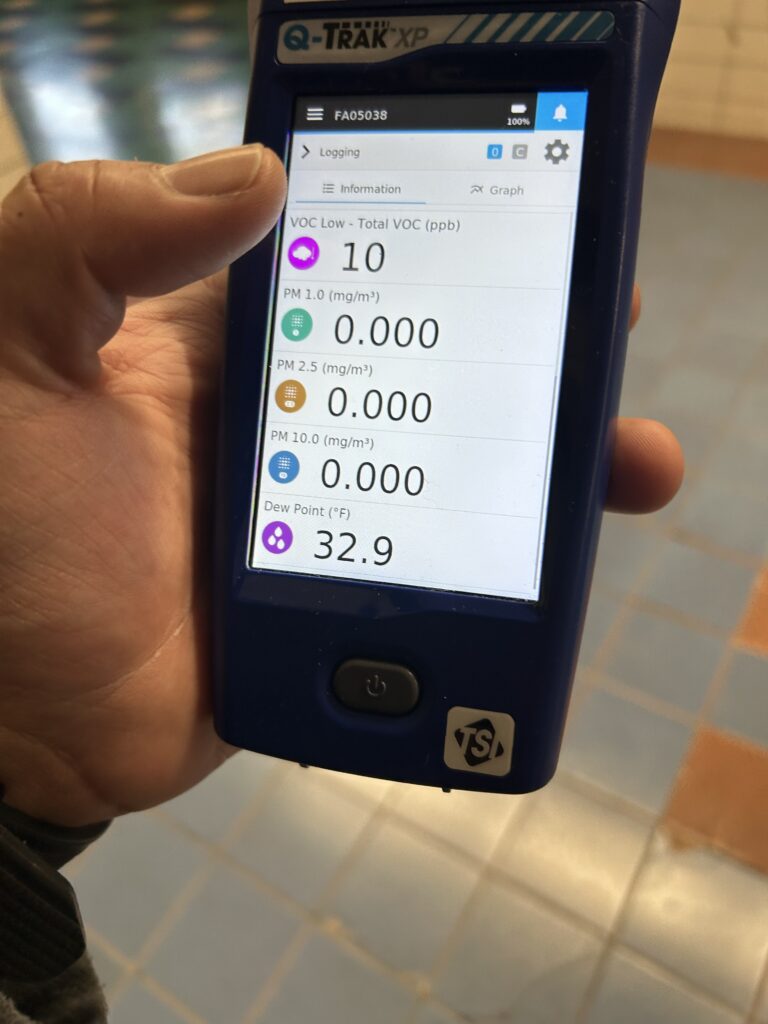
The indoor air quality (IAQ) of commercial buildings plays an important role in the health, comfort, and productivity of building occupants. In commercial environments such as offices, retail spaces, healthcare facilities, and educational institutions, poor indoor air quality can contribute to employee and occupant complaints, reduced productivity, increased absenteeism, and potential liability concerns for property owners, company management, and stakeholders.
A common IAQ concern in commercial buildings is inadequate ventilation. Insufficient ventilation can allow airborne contaminants to accumulate over time and, in some cases, negatively impact occupant comfort, worker productivity, contribute to health-related complaints, and affect the overall environmental quality of the building.
Many modern commercial properties utilize sophisticated HVAC systems, such as Variable Air Volume (VAV) systems, rooftop units (RTUs), and building automation controls, which are designed to optimize occupant comfort while maximizing energy efficiency. However, if these systems are improperly balanced, poorly maintained, operating with inadequate outdoor air intake, or experiencing mechanical deficiencies, the amount of fresh air delivered to occupied spaces may be reduced, affecting ventilation rates and the overall air exchange rate per hour (ACH).
HVAC systems themselves can also become sources of IAQ concerns. Contaminants can accumulate within ductwork, air handling units, coils, drain pans, and filtration systems over time, potentially allowing these materials to be distributed throughout the building. If HVAC systems are not properly maintained, the risk of occupant exposure to dust, debris, microbial growth, and other accumulated contaminants can increase significantly. Routine HVAC maintenance, including filter replacement, ventilation assessments, periodic inspections, system cleaning, and proper operation, is essential for maintaining healthy indoor air quality, supporting occupant comfort, and promoting workplace efficiency within commercial buildings.
Particulate matter is another common concern in commercial spaces. Dust, construction debris, outdoor pollutants, combustion-related particles, mold spores, and other airborne particulates can enter buildings naturally or be introduced through ventilation systems, occupant activities, or nearby construction projects.
Airborne chemical contaminants can also affect occupant health, comfort, and indoor environmental quality within commercial buildings. Volatile Organic Compounds (VOCs) can be released into the indoor air from cleaning products, office furniture, occupants, and building materials. In some cases, occupants may report odors, headaches, irritation, or other symptoms associated with elevated indoor VOCs.
Moisture intrusion and other water-related issues can become significant concerns when not promptly identified and corrected. Roof leaks, damaged exterior building envelopes, plumbing failures, unsealed windows, and HVAC-related deficiencies can introduce unwanted moisture onto building materials. Damp building materials can contribute to microbial growth, elevated humidity levels, odors, and other indoor environmental concerns that may adversely affect indoor air quality. If left unaddressed, prolonged moisture exposure may also result in the deterioration of building materials and, in some cases, compromise structural components.
Occupant density and daily building operations can influence IAQ conditions. Crowded workspaces, inadequate housekeeping practices, and poor overall building maintenance can contribute to elevated carbon dioxide levels, odors, and airborne contaminants. Additionally, factors such as inadequate lighting and excessive noise levels may contribute to occupant discomfort and reduced workplace productivity, further affecting the overall indoor environment.
Maintaining good indoor air quality requires a proactive approach that includes proper building maintenance, moisture management, HVAC system upkeep, prompt investigation of occupant concerns, and timely corrective action.
When indoor air quality concerns are suspected, a professional assessment can help identify contributing factors and develop effective corrective measures. At Bower Group, our experienced consultants combine scientific expertise, building science knowledge, and advanced environmental testing methodologies to help clients identify indoor air quality concerns, mitigate potential risks, and maintain healthy indoor environments that support occupant comfort, health, and worker productivity.
If you have concerns regarding the indoor air quality of your commercial property, please contact our office at (630) 601-6962 to discuss how our team can assist with identifying the contributing factors and develop effective corrective solutions for you and your team.